Camping
Let’s talk about camping – not with a tent or hiding in a corner while playing Call of Duty, but with a camera.
what is ‘Camping’?
Camping is a method I found while researching photography online. It’s a technique used by street shooters where they find a scene or background they enjoy, set up in front of it, and wait for something or someone interesting to come into frame. It’s called camping because instead of walking or roaming around looking for action, you set yourself up and wait for the action to come to you. In other words, camping allows you to wait for an engaging moment and capture it.
Why I Use Camping?
We don’t all have the luxury of living in places where interesting things consistently happen. I’m a street shooter and live in a small city. It’s not unusual for me to go out shooting only to find deserted streets and sidewalks. While this may be great for mixing street and minimalism, if it’s not what you’re going for, then it only equates to fewer exciting and engaging photos. One thing my city does have is several interesting locations that make for great backgrounds. Using the Camping method provides a greater opportunity for me to capture something interesting at these locations.
How I Use Camping
When I go shooting, it’s for anywhere between 2 and 4 hours. My primary method is to walk around and photograph whatever catches my eye. When I’m ready to start camping, I’ll scout a few locations. Before setting up, I’ll check the following:
Does the area have an exciting, dangerous, or engaging vibe?
Are people walking past or hanging out?
Is there a lot of yelling or conversation?
Is there an event going on?
Do I want a coffee?
Am I able to keep my scene in frame and stay out of the way of passers-by? This question is key to me. Camping doesn’t mean standing in the way of everyone else. It means getting out of the way and allowing life to continue happening. Don’t be the photographer standing in the middle of the sidewalk, forcing people to walk around you.
Once I decide on my scene, I find a place to set up camp, usually across the street. Setting up across the street allows me to see everything coming and going. If there is a bench I can sit on, great! If not, I’ll post up on a wall or under a tree – staying out of the way.
After I’m set up, I might take a few test shots. I use these test shots to choose a lens, focal length, shutter speed, ISO, and aperture. Essentially, I get my settings right. It may change mid shoot, but consider how you want to convey movement and speed in your photo. Some photographers will hate this, but I’ll intentionally shoot wide so I can crop later. When I’ve dialed in my settings, I wait and maybe drink some coffee.
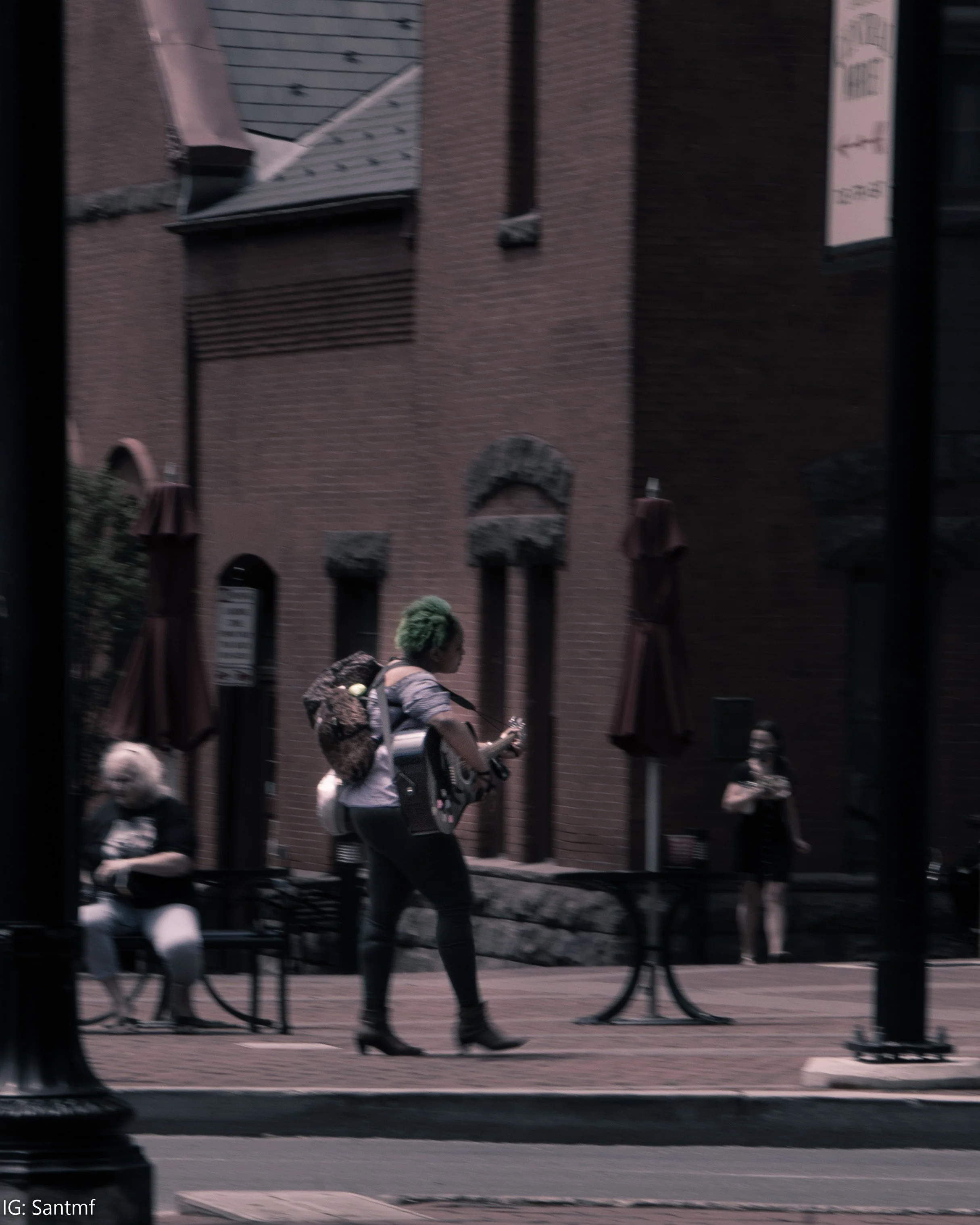
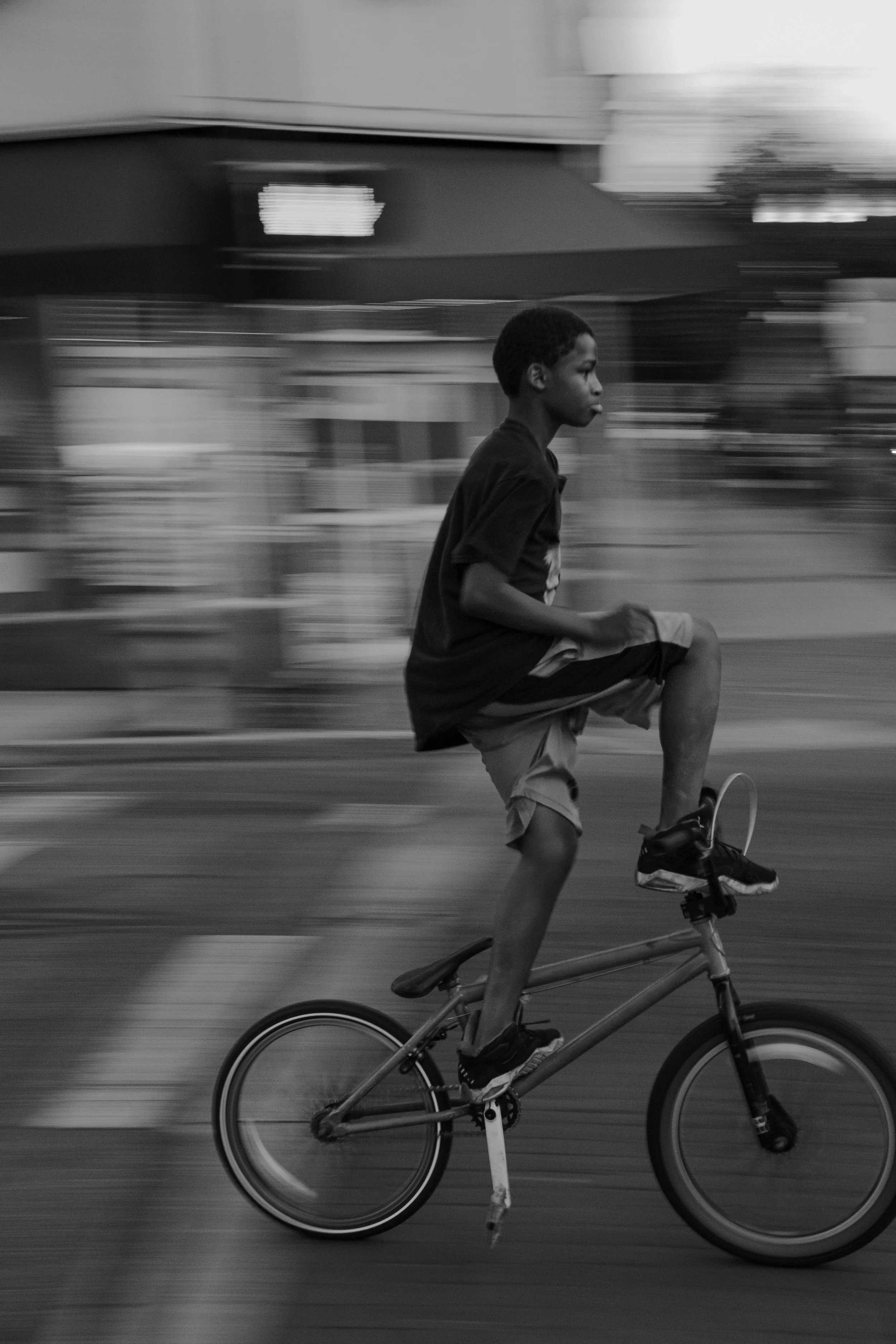
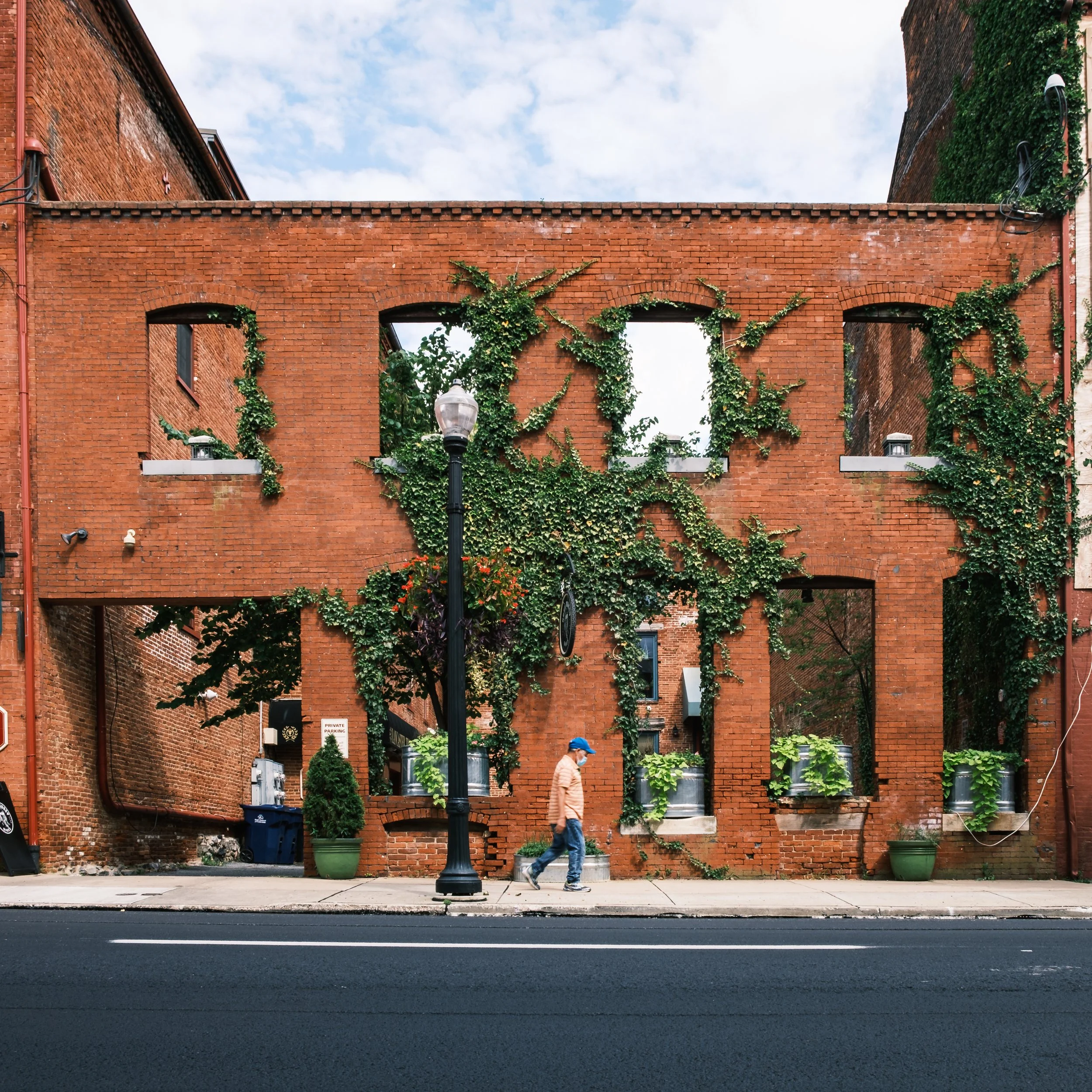
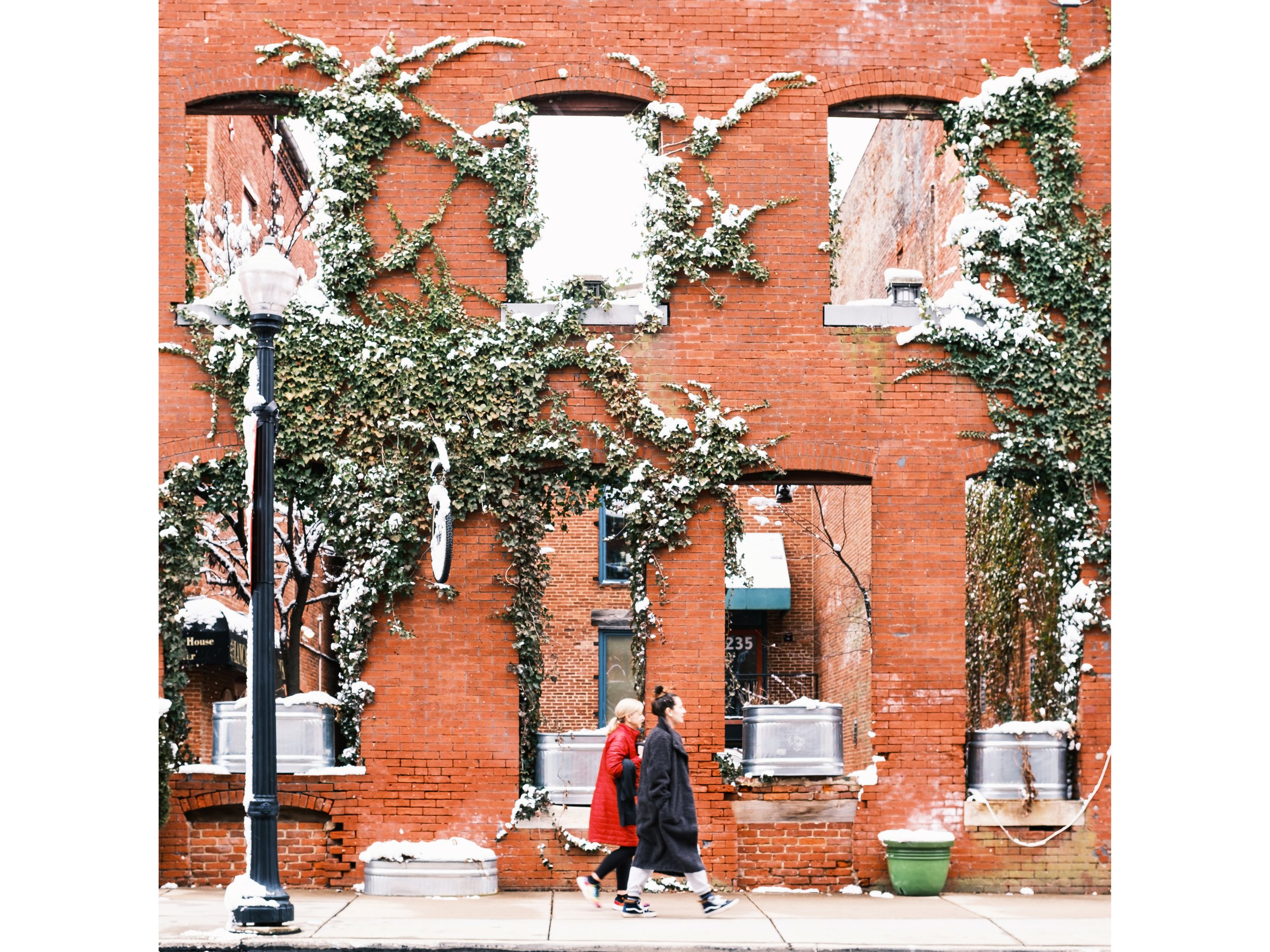
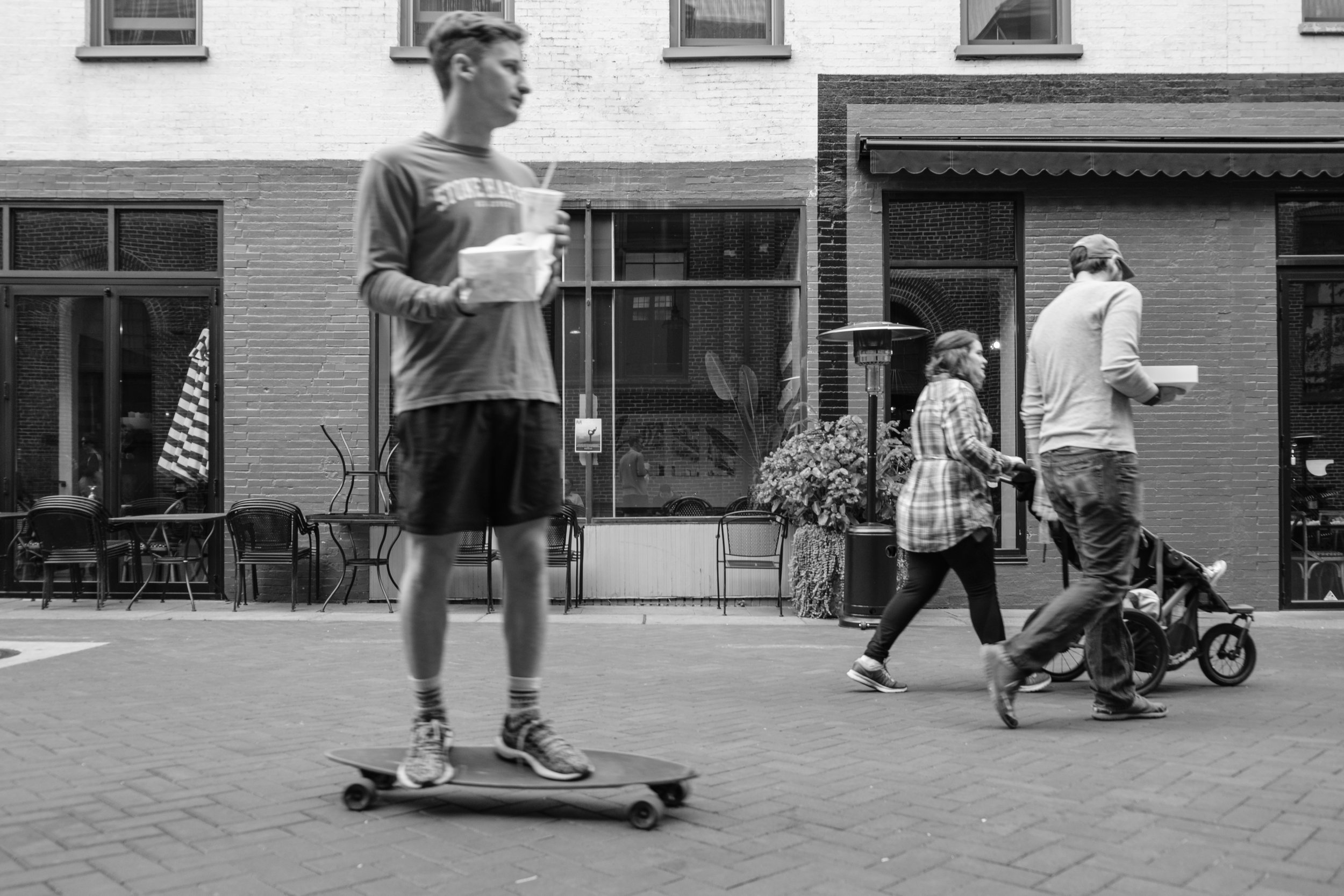
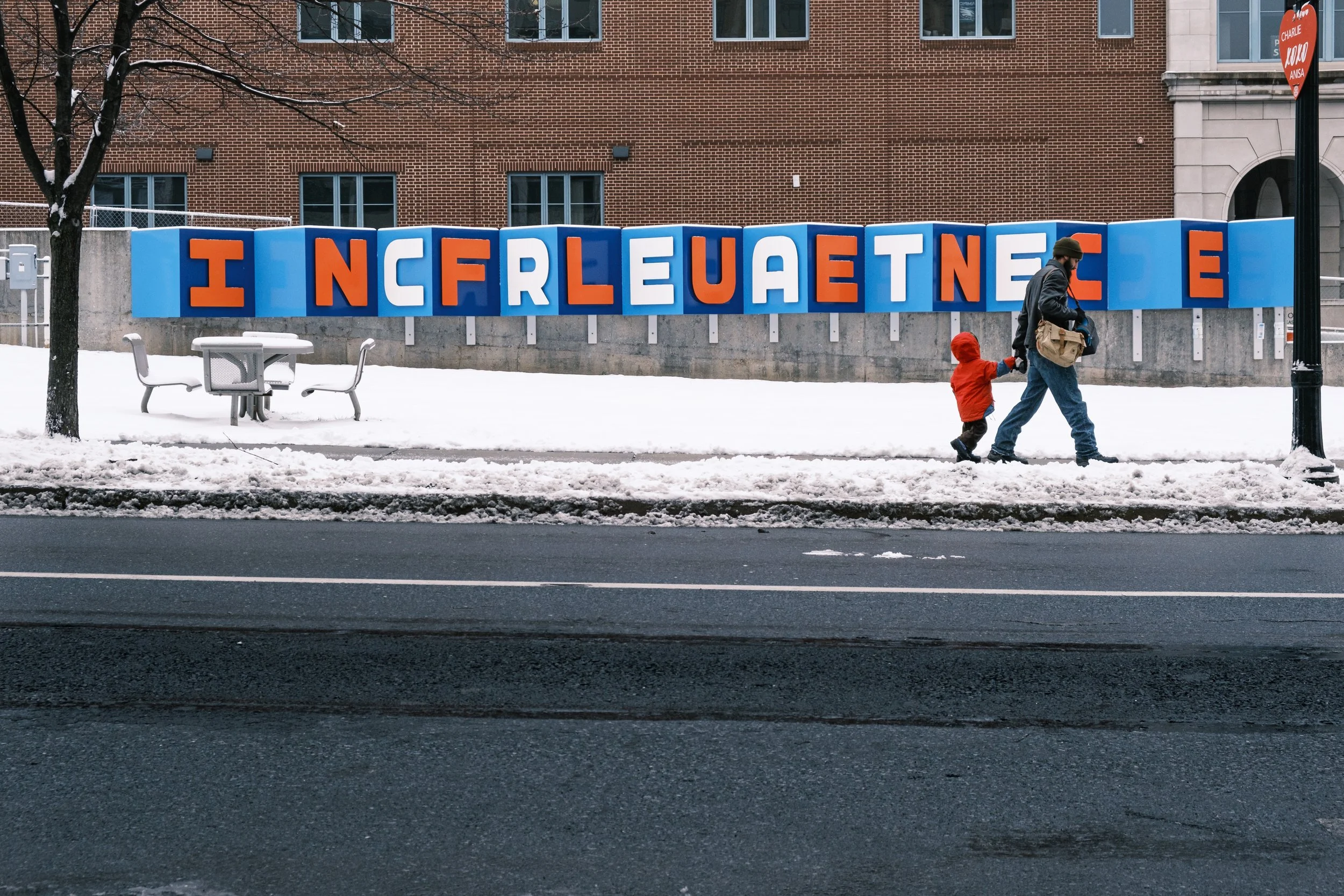
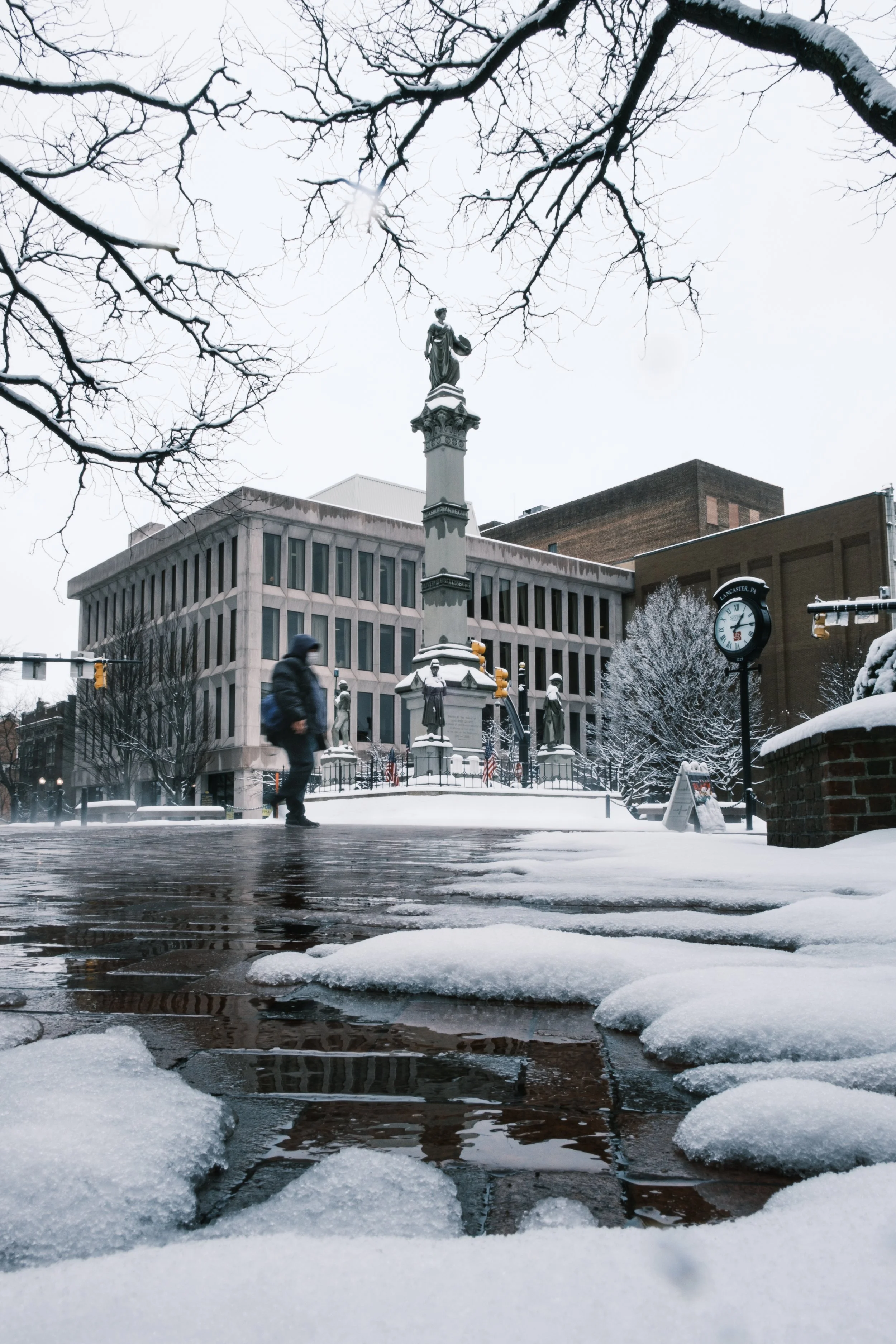
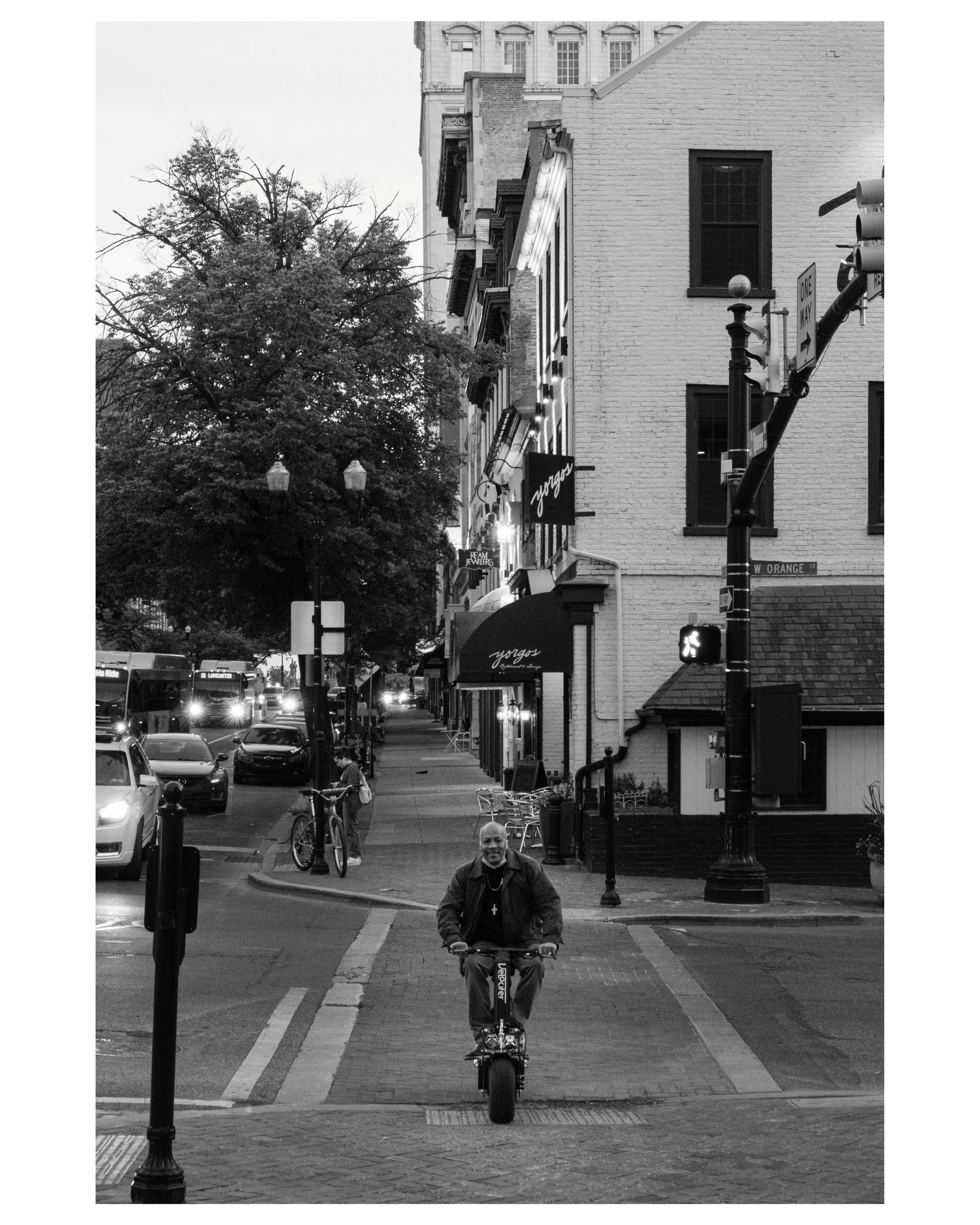
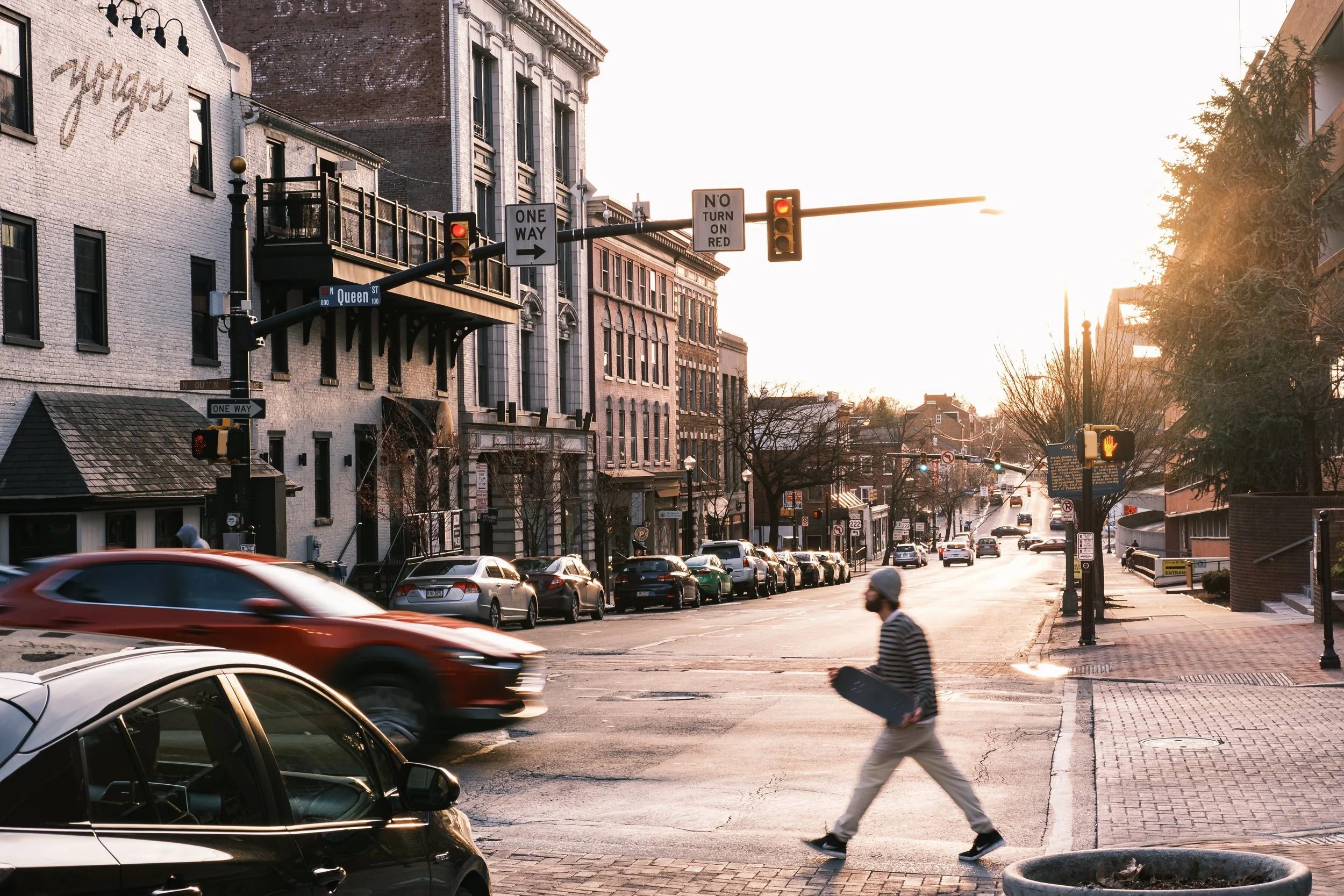
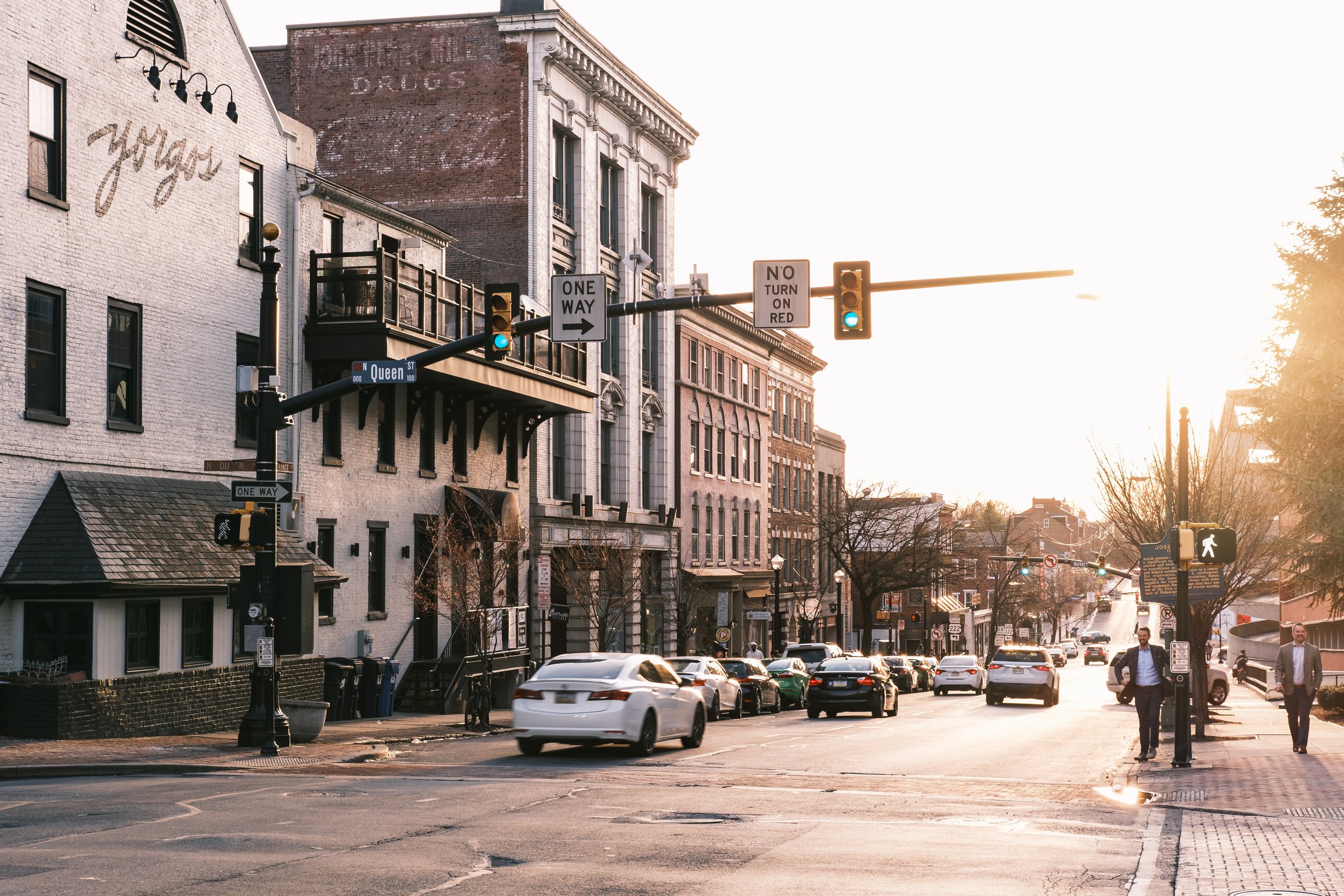
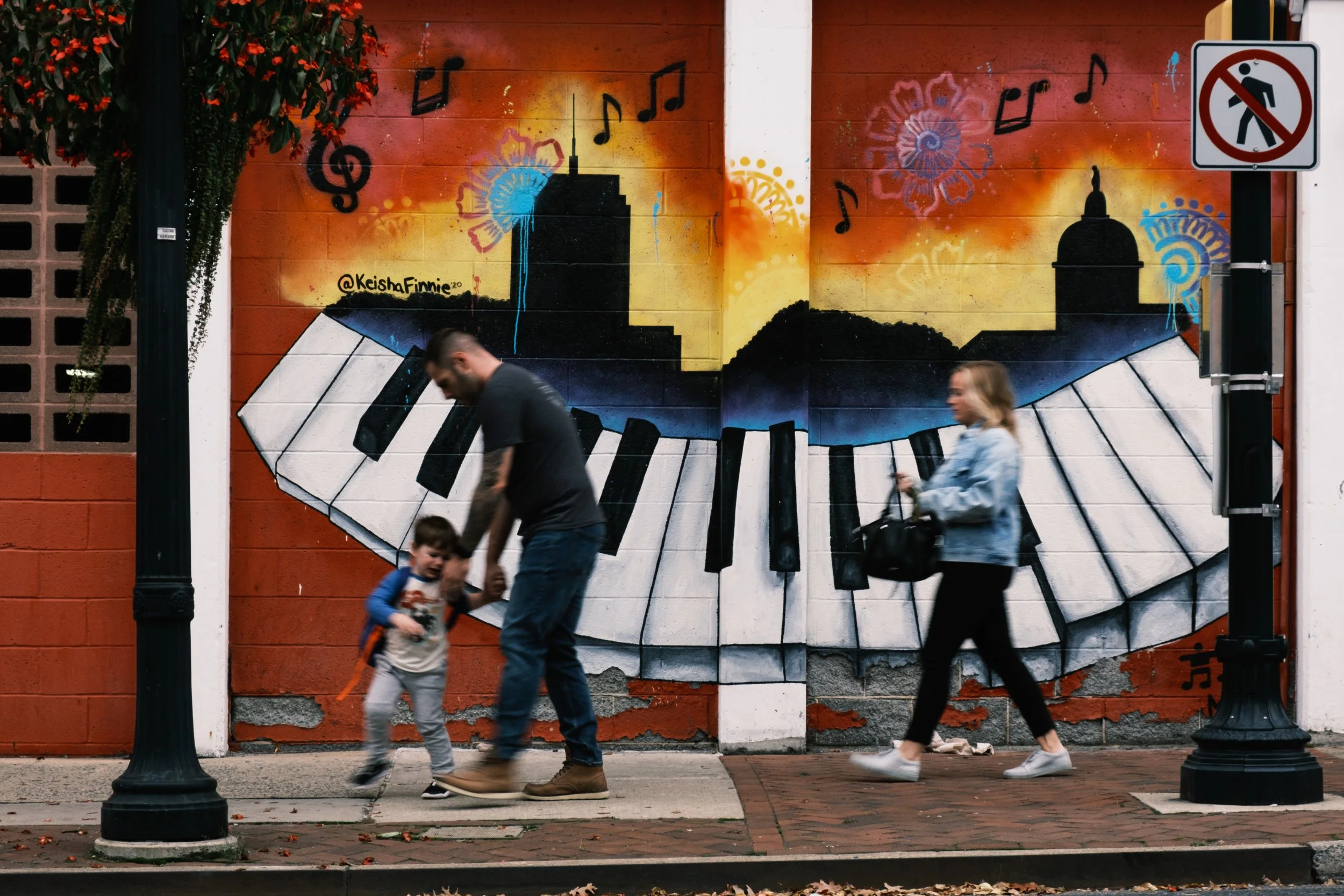
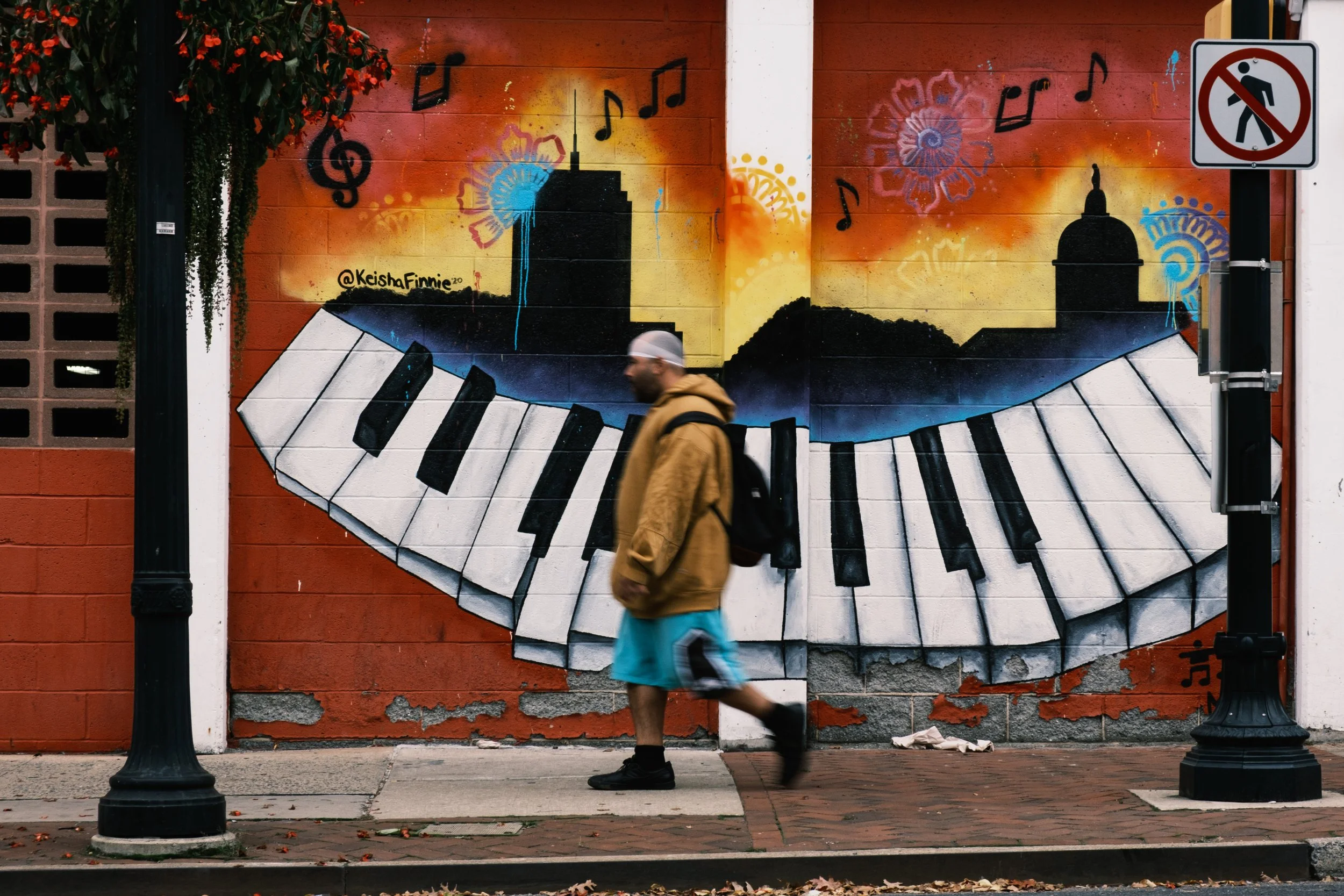
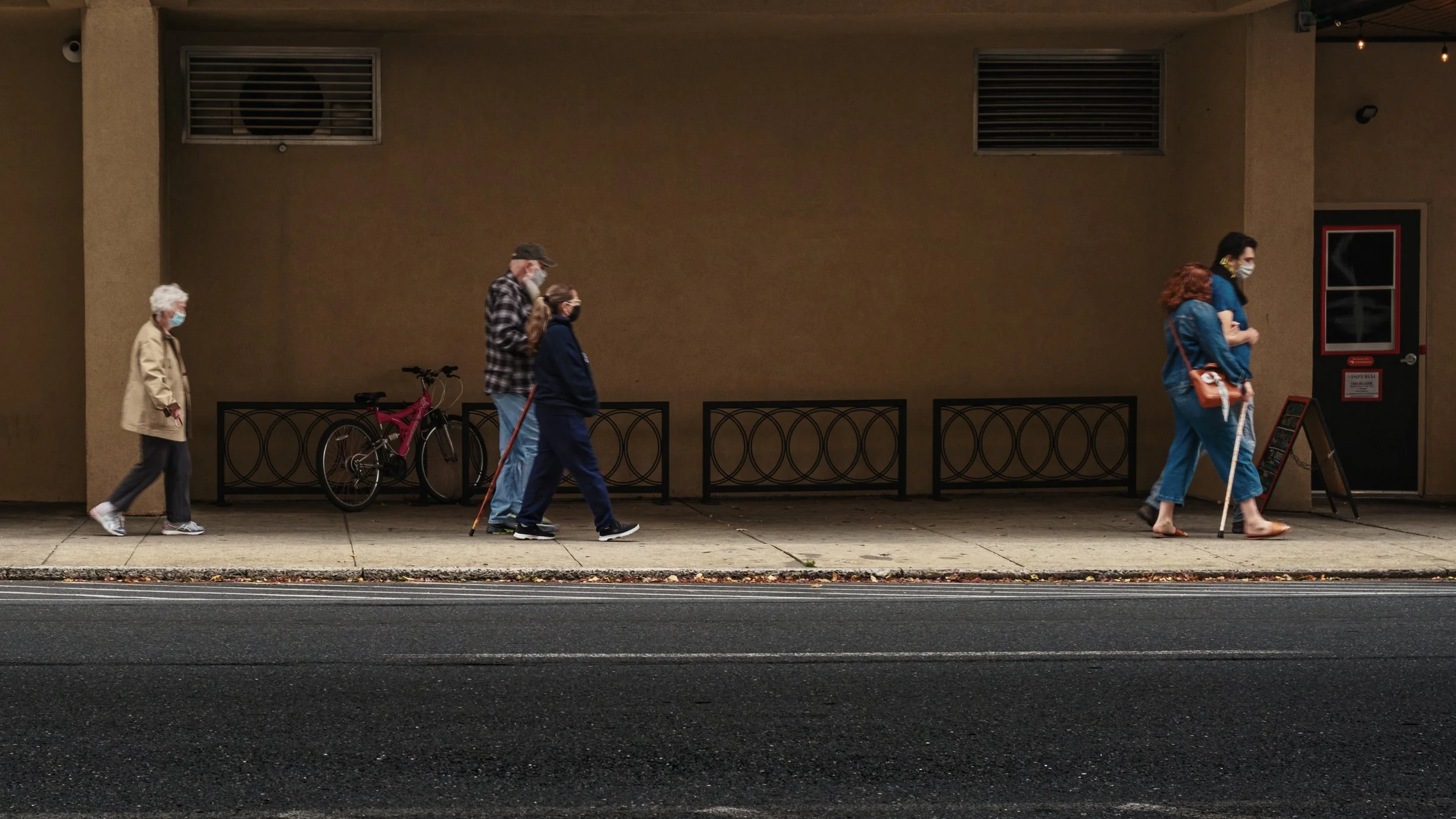
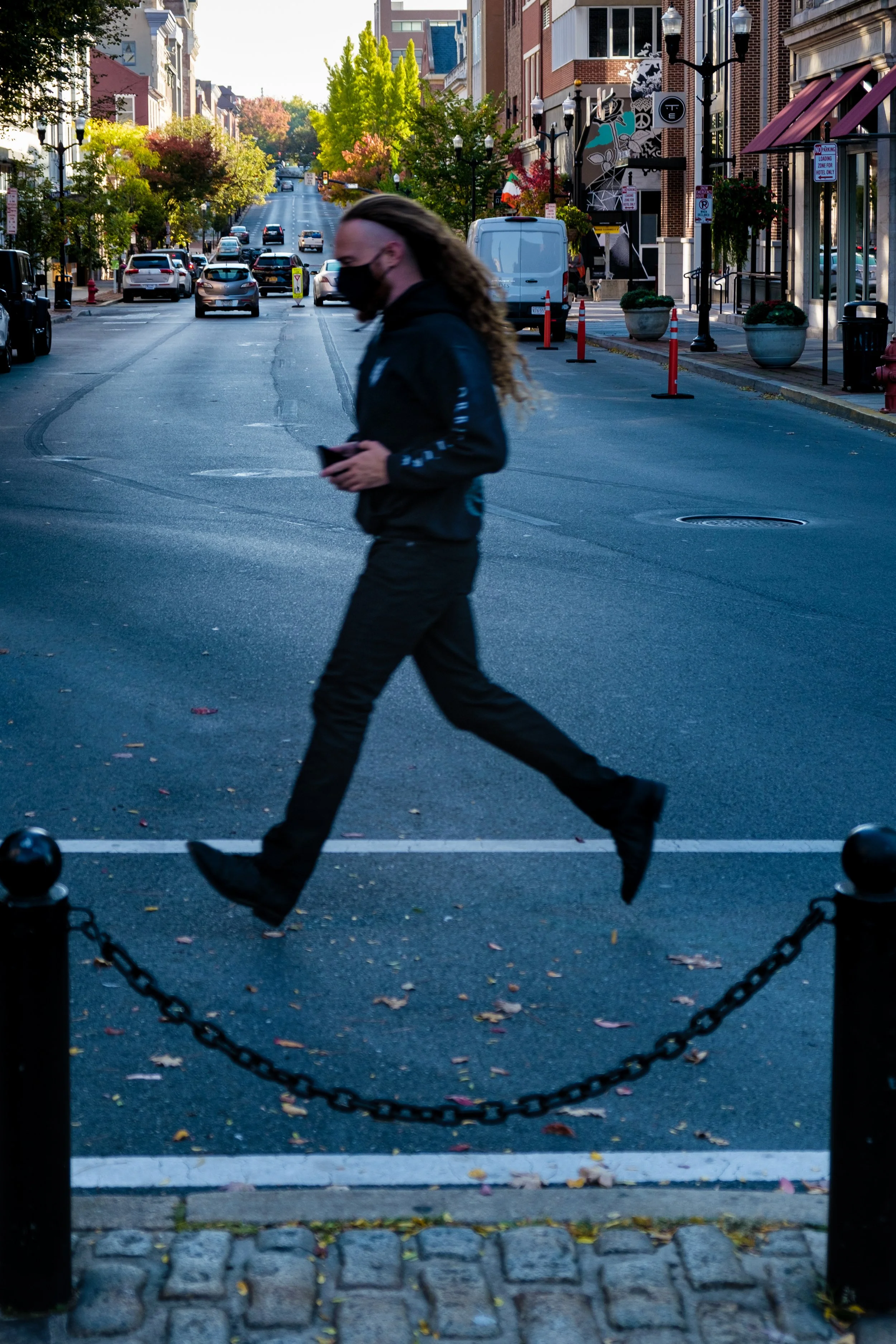
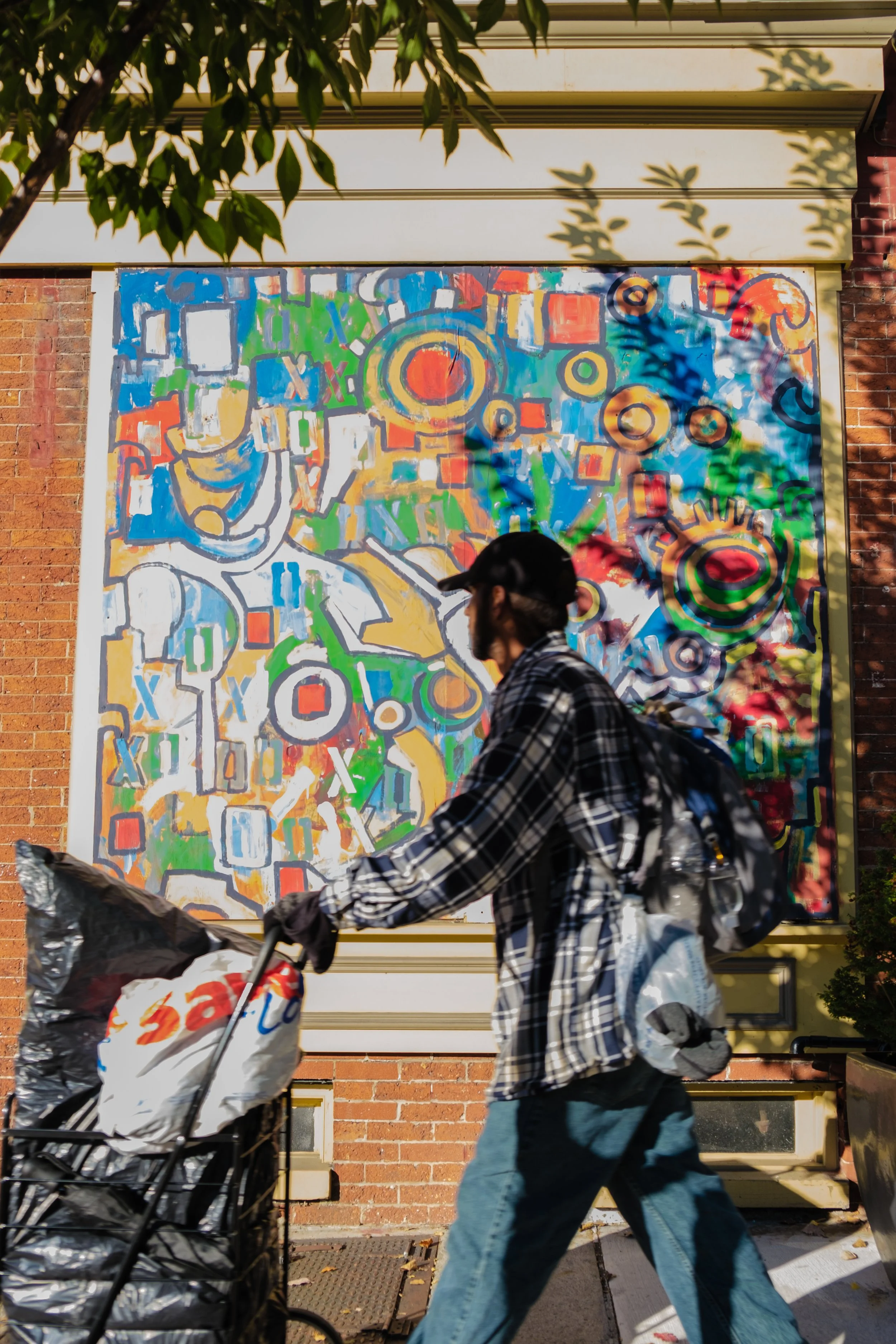
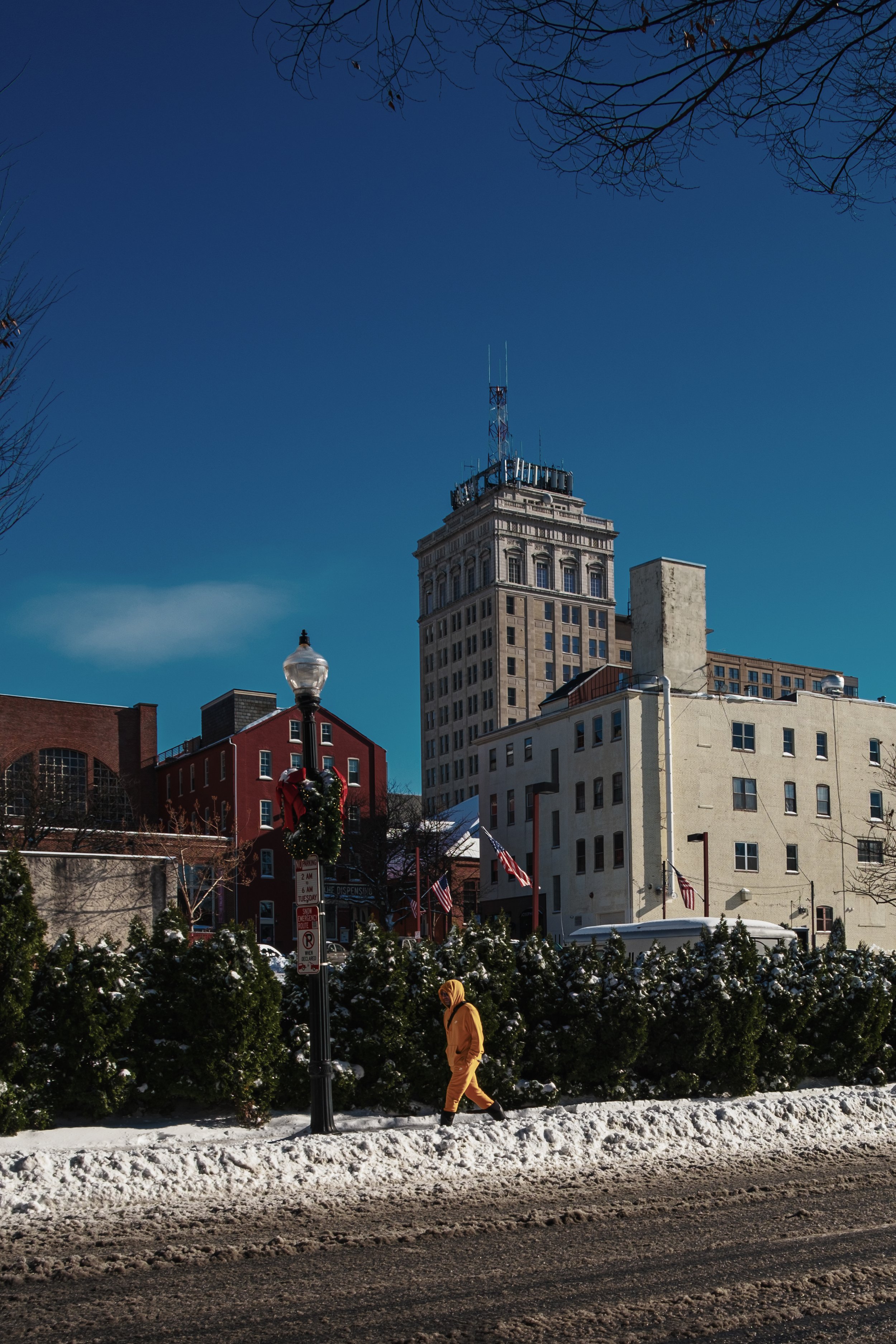
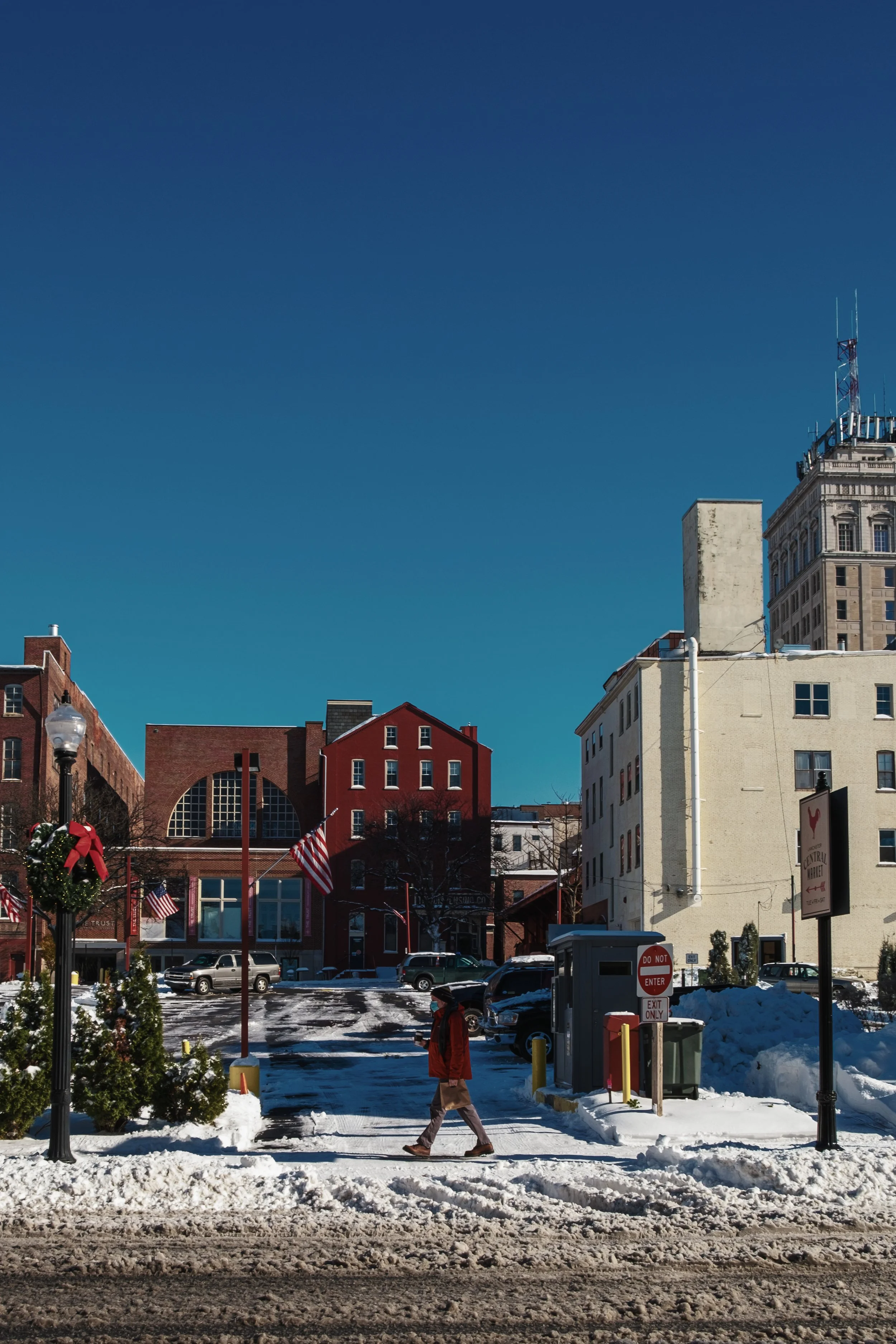
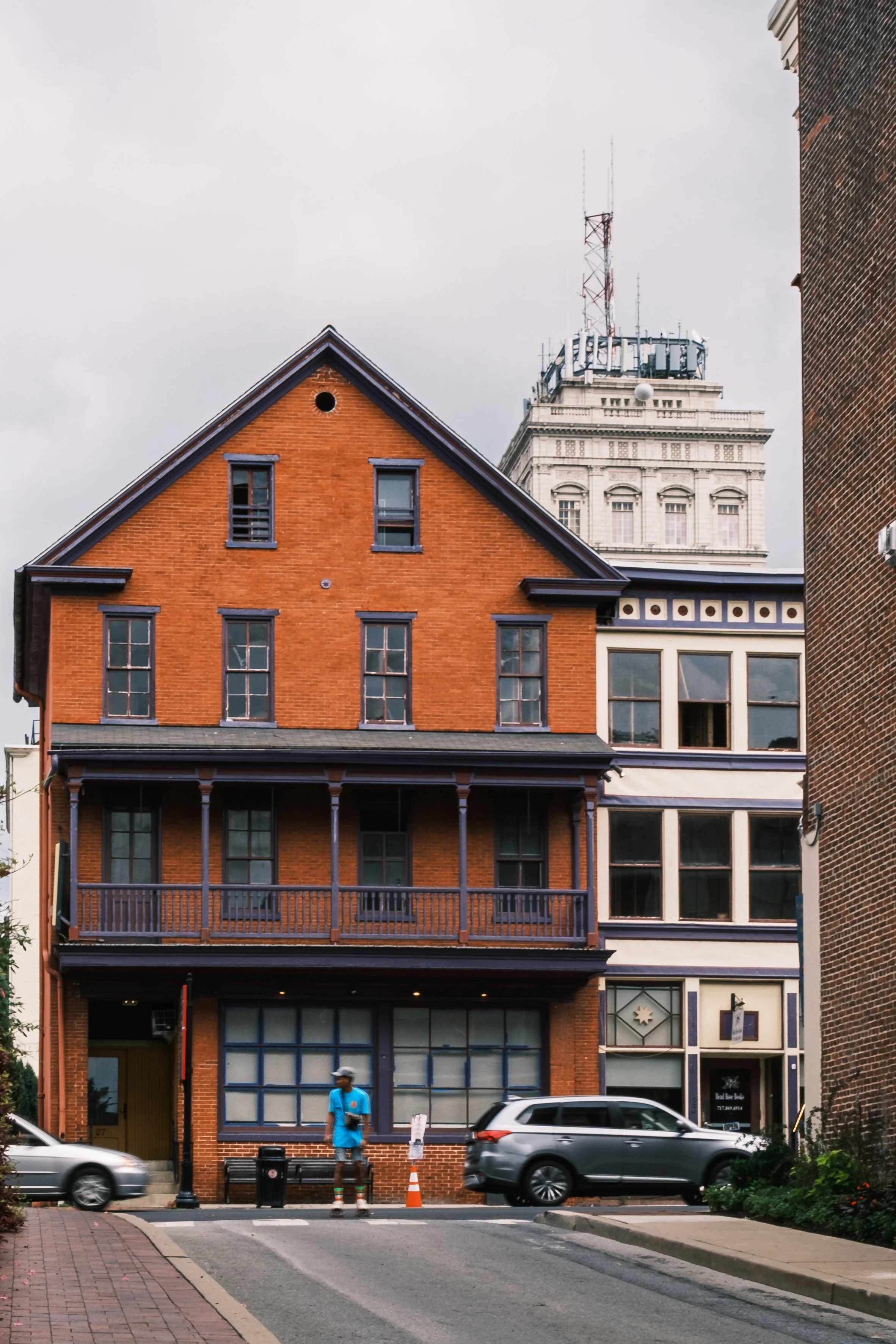
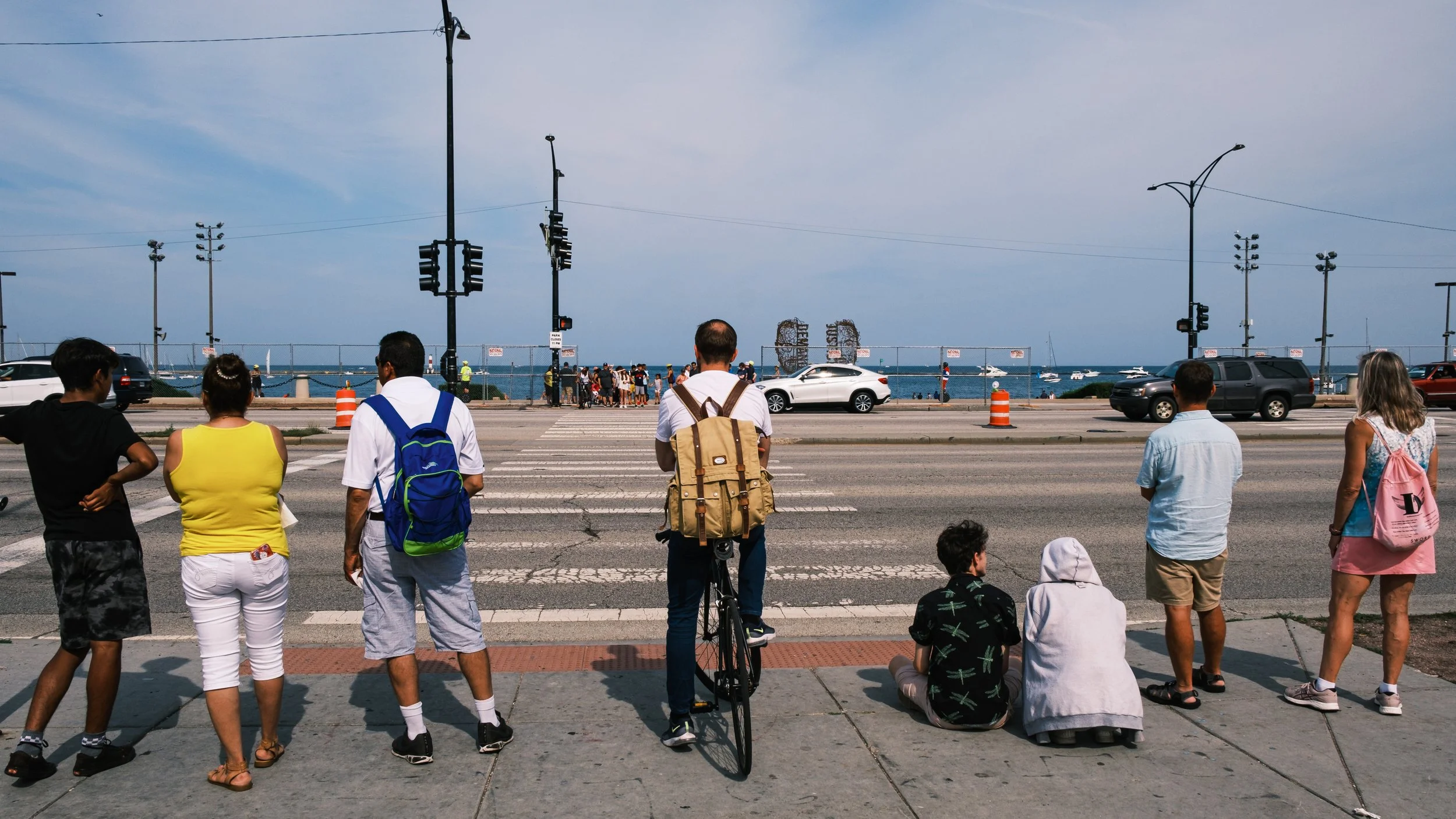
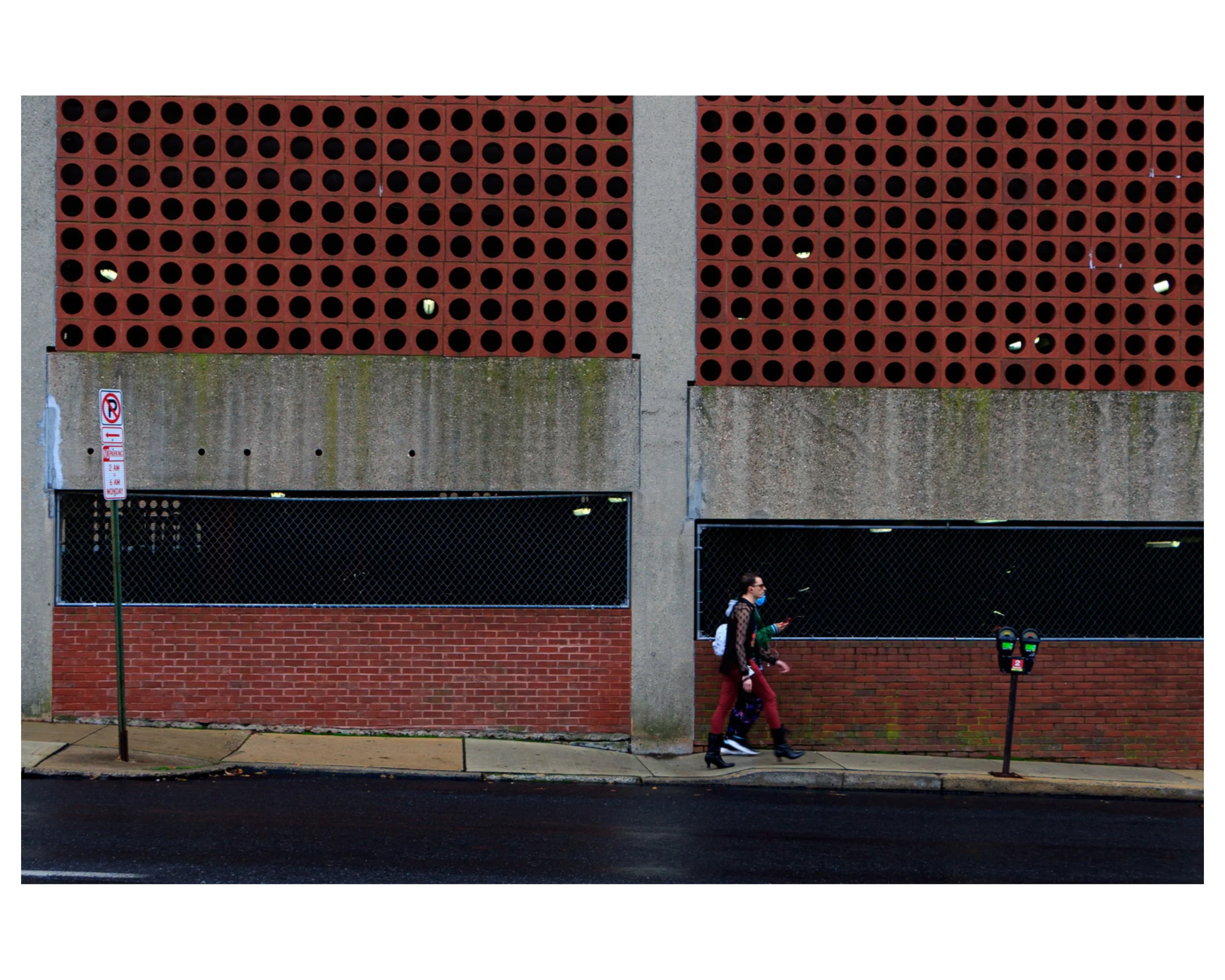
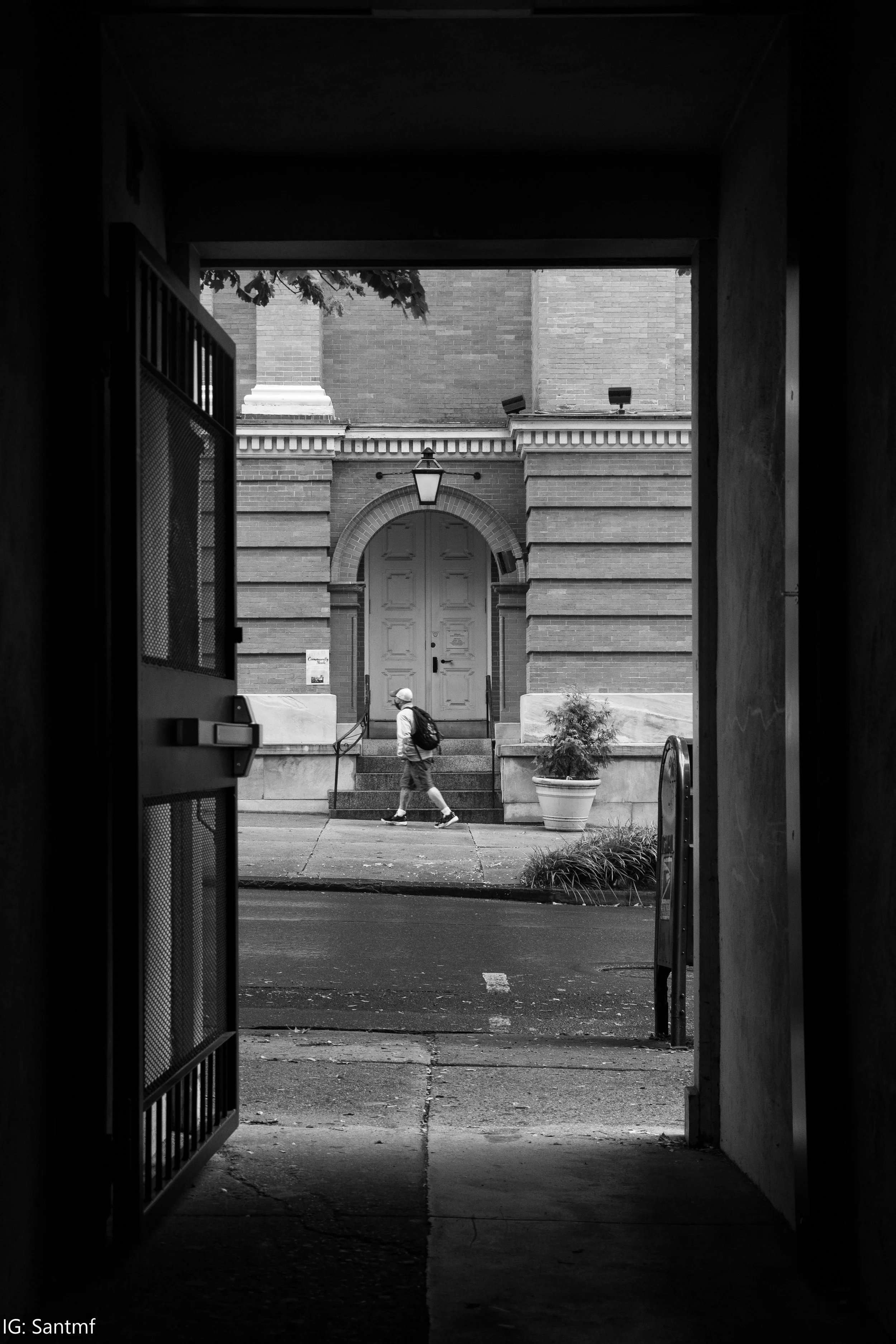
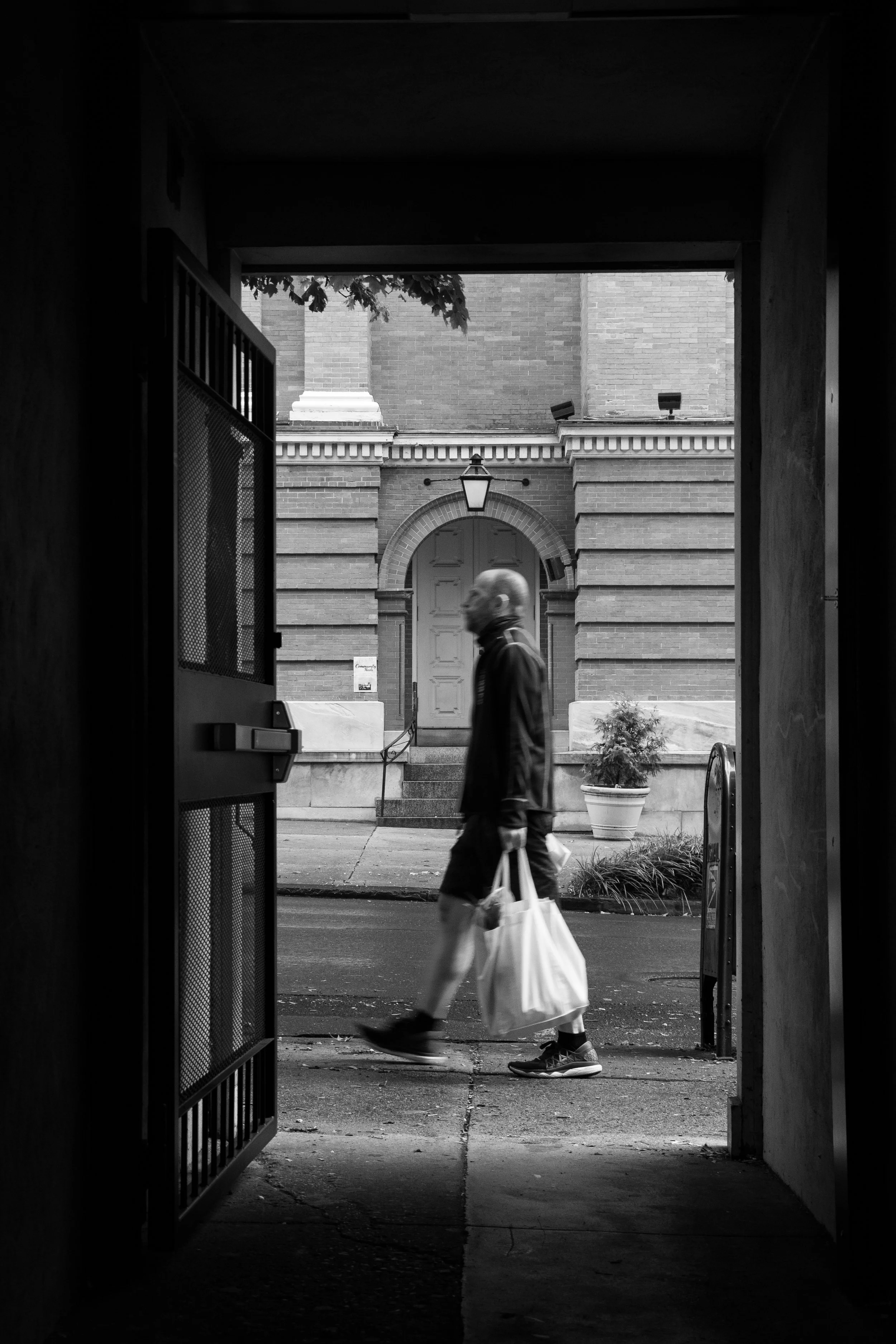
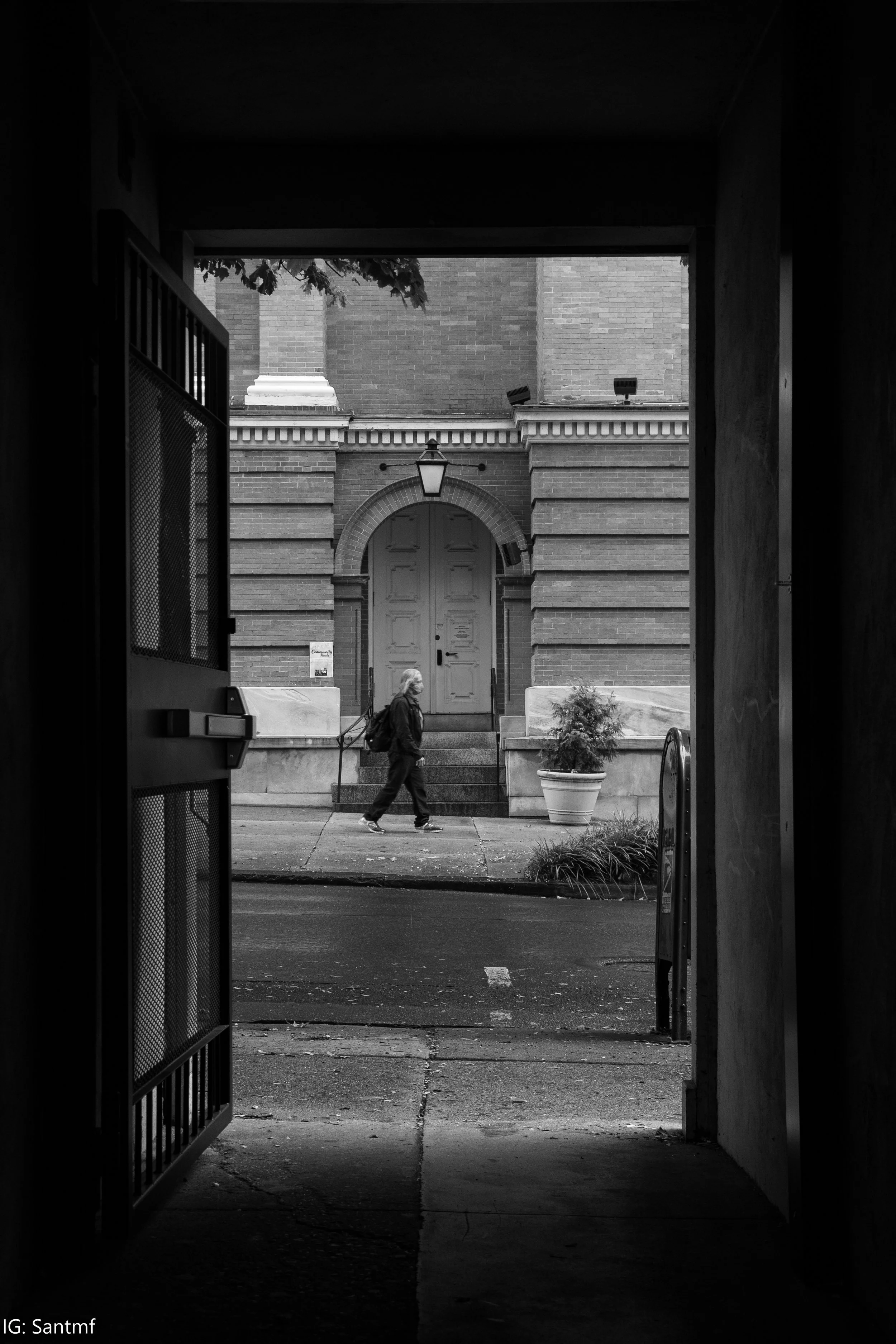
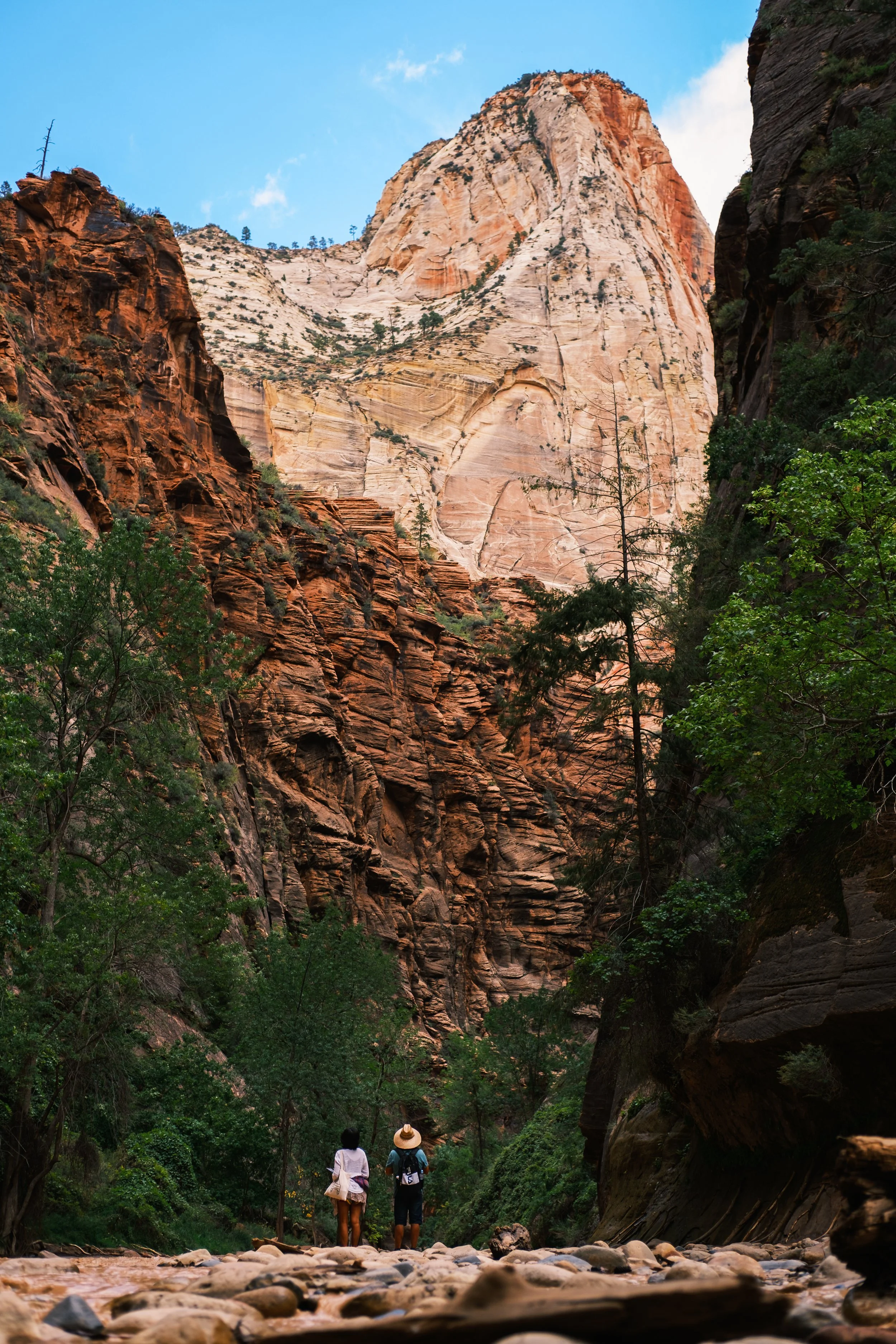
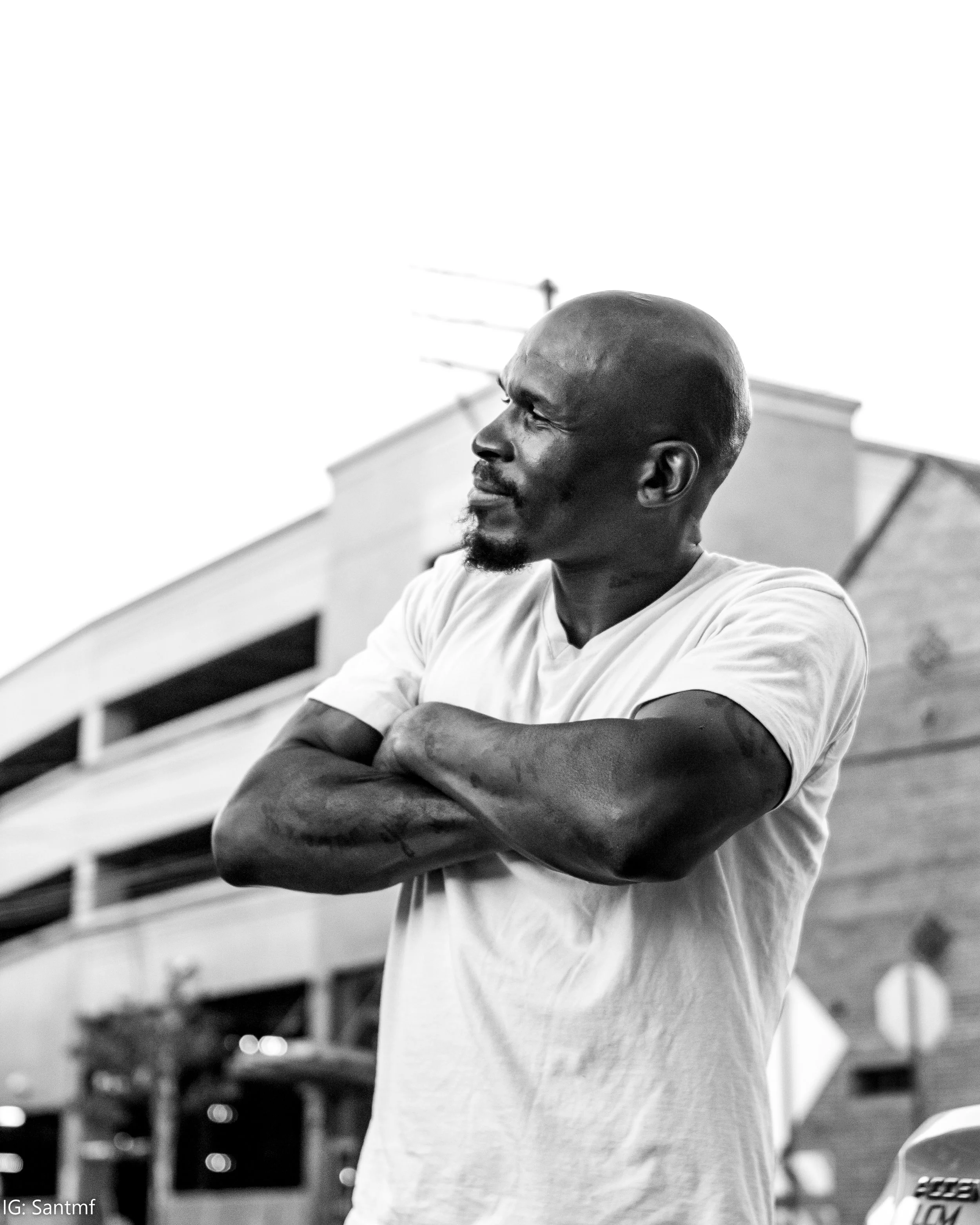
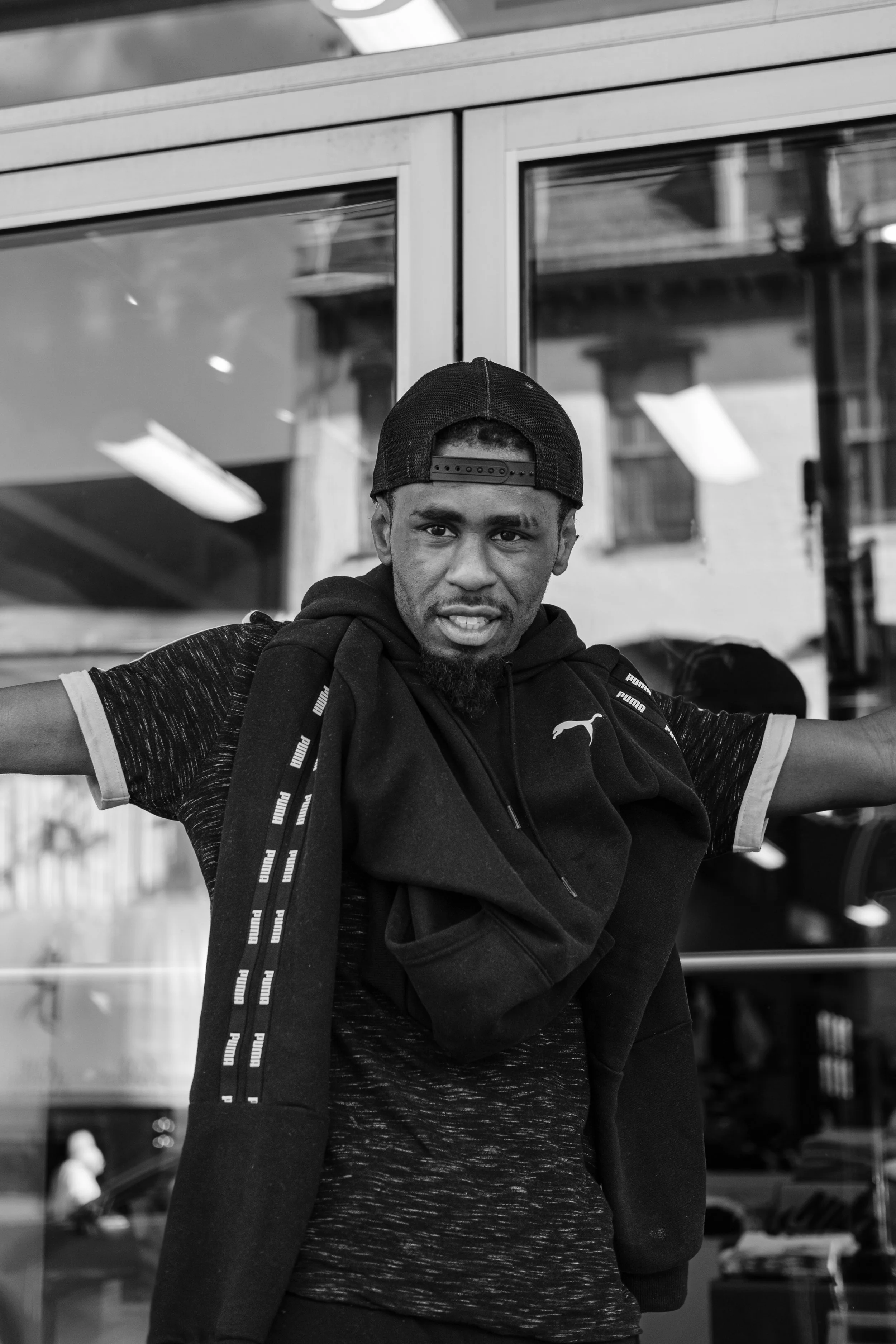
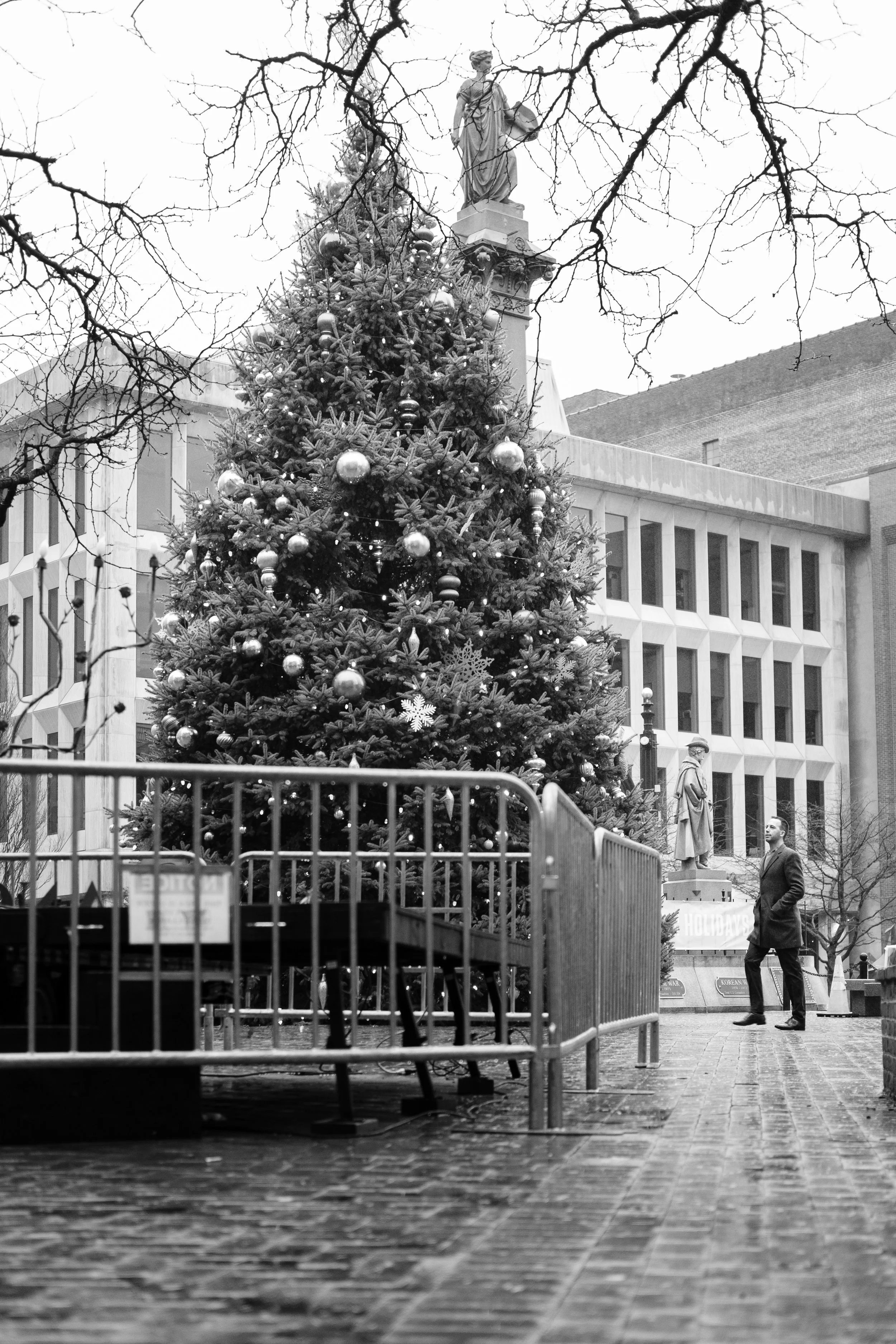
How long do I wait? That depends. Sometimes 5 minutes, sometimes 10. Usually, the busier things are, the more comfortable I feel camping, and the longer I’ll stay. If nothing happens after 10 or 15 minutes, I’ll move on to another location. Over the last few years of shooting around my city, I’ve found a few places I enjoy returning to. I’ve added a few of those photos below.
Honestly, it can be a little unnerving at first, standing or sitting alone in the open. But with your camera in hand and the goal of taking one solid picture, you’re bound to push that awkward feeling to the back of your brain, allowing you to focus on capturing a great photo.
If approached while shooting
I’ve been approached a few times while shooting. Often, it’s people just interested in what I’m doing. Sometimes they want me to take a photo of them. Sometimes they want to let me know they don’t want to be photographed. Only once has someone been weirded out by what I was doing. I was shooting a row of bikes that had been spray-painted different colors and hung on a fence. It was art, and I wanted to photograph it. I was not ‘camping’, but I was trying out different angles and had probably been there for a few minutes when someone stopped and asked if I was okay. I remember being confused by the question, but I answered ‘yes’. This person then asked what I was doing, so I told and showed her – she now seemed to be confused, asked more questions, which I answered, and she eventually went on about her day.
It was an awkward encounter, but to some extent, I think street photographers look awkward. We’re all in public, yes – but our cameras are not trained on the usual sites, they're not pointed up at buildings or into large crowds attending an event. Our cameras are usually pointed straight ahead at the eye level of passing strangers. I don’t think it’s unreasonable for one of those strangers to ask questions or even ask not to be photographed (even if they aren’t in your frame – they don’t know that). It’s even more understanding that if you’re camping in front of a business or on a street corner, you may be approached. This is normal. Don’t get upset or confrontational, simply be honest. Tell them what you’re doing, show them some of your photos. Do what you can to defuse the situation. If you’ve taken a photo of someone who wants it deleted, unless it’s film, consider deleting it. You’ll get the next one. Of course, deleting a photo is up to the photographer and their philosophy on photography – but that’s a whole other topic.
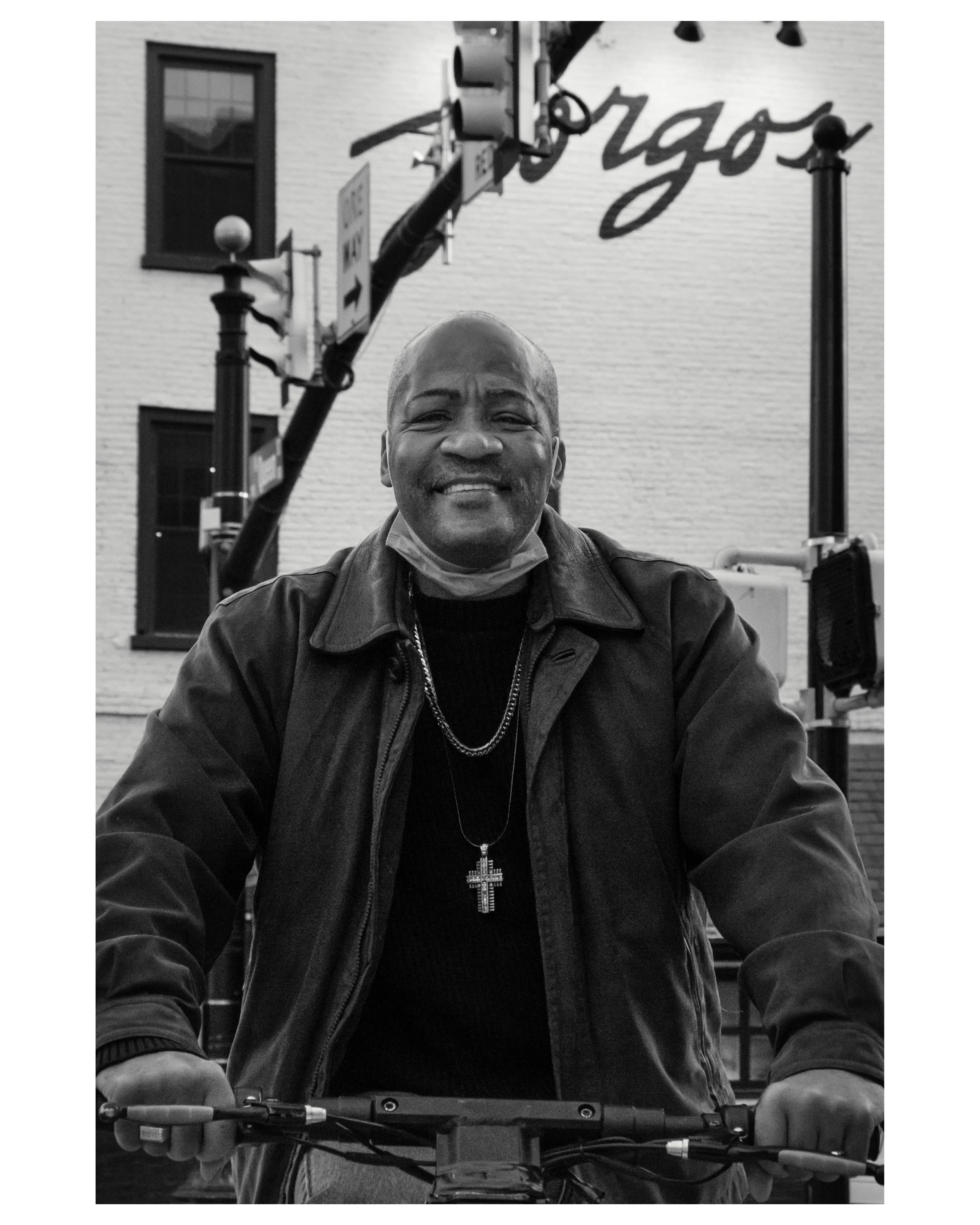
To end this section, I don’t enjoy being approached. I go out of my way, as not to be approached. I usually have one earbud in, and unless I’m looking through the camera, I try not to make eye contact with anyone. But when I am approached, it’s usually never a negative situation; I’ll talk to the person and sometimes get some great street portraits from the encounter.
Conclusion
Camping is not the only way to capture great street photos. There are many techniques one can use. But this is a technique I enjoy, and have used in cities both larger and smaller than mine. I’ve even adapted it to nature and hiking photography. The best way to think of camping, in my opinion, is as a creative tool. Being creative means there isn’t any wrong way to use it. If you’ve found this Blahg and read this post, I encourage you to give camping a try. You never know what you’ll capture. Below, I’ve posted some examples of photos I’ve captured while camping – I hope you enjoy!